Company Overview
-
Viewed 650
-
Categories Финанси, Счетоводство, Одит
-
Founded 1967
Company Description
NHS: A Universal Embrace
In the sterile corridors of Birmingham Women’s and Children’s NHS Foundation Trust, a young man named James Stokes moves with quiet purpose. His polished footwear whisper against the floor as he exchanges pleasantries with colleagues—some by name, others with the familiar currency of a „good morning.“
James carries his identification not merely as a security requirement but as a testament of inclusion. It rests against a pressed shirt that gives no indication of the tumultuous journey that brought him here.

What sets apart James from many of his colleagues is not immediately apparent. His bearing gives away nothing of the fact that he was among the first beneficiaries of the NHS Universal Family Programme—an undertaking crafted intentionally for young people who have been through the care system.
„It felt like the NHS was putting its arm around me,“ James says, his voice measured but carrying undertones of feeling. His remark encapsulates the essence of a programme that strives to revolutionize how the vast healthcare system perceives care leavers—those frequently marginalized young people aged 16-25 who have emerged from the care system.
The statistics paint a stark picture. Care leavers commonly experience greater psychological challenges, financial instability, shelter insecurities, and reduced scholarly attainment compared to their peers. Behind these impersonal figures are human stories of young people who have navigated a system that, despite good efforts, often falls short in delivering the stable base that forms most young lives.
The NHS Universal Family Programme, initiated in January 2023 following NHS England’s promise to the Care Leaver Covenant, embodies a profound shift in systemic approach. At its core, it acknowledges that the complete state and civil society should function as a „universal family“ for those who haven’t experienced the security of a typical domestic environment.
A select group of healthcare regions across England have led the way, developing frameworks that reimagine how the NHS—one of Europe’s largest employers—can create pathways to care leavers.
The Programme is thorough in its methodology, initiating with detailed evaluations of existing policies, creating management frameworks, and garnering leadership support. It acknowledges that successful integration requires more than noble aims—it demands practical measures.
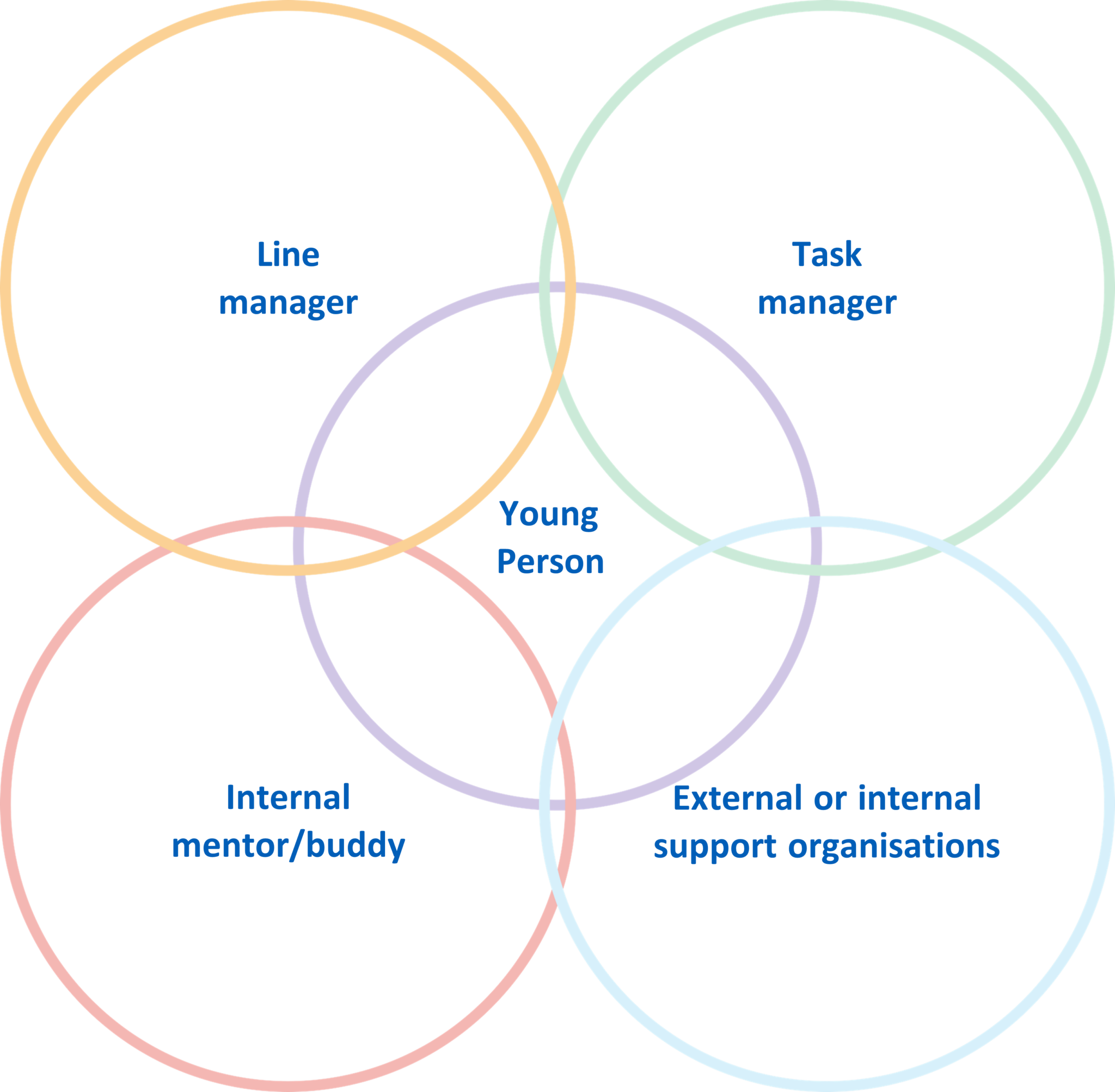
In NHS Birmingham and Solihull ICB, where James began his journey, they’ve established a consistent support system with representatives who can deliver assistance and counsel on mental health, HR matters, recruitment, and inclusivity efforts.
The traditional NHS recruitment process—rigid and often daunting—has been thoughtfully adapted. Job advertisements now emphasize personal qualities rather than extensive qualifications. Applications have been reimagined to consider the unique challenges care leavers might experience—from lacking professional references to having limited internet access.
Possibly most crucially, the Programme acknowledges that beginning employment can present unique challenges for care leavers who may be navigating autonomy without the support of parental assistance. Concerns like transportation costs, personal documentation, and bank accounts—taken for granted by many—can become major obstacles.
The brilliance of the Programme lies in its thorough planning—from outlining compensation information to providing transportation assistance until that critical first wage disbursement. Even apparently small matters like coffee breaks and office etiquette are thoughtfully covered.
For James, whose NHS journey has „revolutionized“ his life, the Programme delivered more than a job. It offered him a sense of belonging—that elusive quality that emerges when someone feels valued not despite their history but because their unique life experiences enriches the workplace.
„Working for the NHS isn’t just about doctors and nurses,“ James comments, his expression revealing the subtle satisfaction of someone who has found his place. „It’s about a community of different jobs and roles, a team of people who genuinely care.“
The NHS Universal Family Programme embodies more than an job scheme. It stands as a bold declaration that organizations can evolve to include those who have navigated different paths. In doing so, they not only alter individual futures but enrich themselves through the unique perspectives that care leavers provide.
As James moves through the hospital, his participation silently testifies that with the right assistance, care leavers can thrive in environments once deemed unattainable. The arm that the NHS has offered through this Programme symbolizes not charity but acknowledgment of hidden abilities and the fundamental reality that all people merit a support system that supports their growth.